Ever pulled a supposedly “done” roast from the oven only to find it’s still raw in the middle? Or burned cookies despite setting the dial to “350°F”? You’re not alone—and the culprit might not be your recipe. It’s likely your oven’s temperature is lying to you. Knowing how to measure for an oven accurately isn’t just a pro chef’s secret; it’s essential for home cooks who want reliable, delicious results every time. In this guide, we’ll walk you through why oven accuracy matters, how to test and calibrate your oven using reliable thermometers, and common pitfalls that lead to kitchen disasters.
Table of Contents
- Why Oven Accuracy Matters
- Step-by-Step Guide to Testing Oven Temperature
- Best Practices for Accurate Readings
- Real-World Results: Case Studies
- Frequently Asked Questions
Key Takeaways
- Oven dials are often inaccurate by 25–50°F, leading to undercooked or burnt food.
- Use a standalone oven thermometer—not your oven’s built-in sensor—to verify true temperature.
- Place the thermometer in the center of the middle rack for the most representative reading.
- Test at multiple temperatures (e.g., 300°F, 350°F, 400°F) to map your oven’s behavior.
- Calibrate digital ovens if your model allows, or adjust cooking times/temps manually.
Why Oven Accuracy Matters
In home improvement, especially within tools and hardware, precision tools aren’t just for contractors—they’re for anyone who values reliability in daily tasks. Your oven is one of the hardest-working appliances in your kitchen, yet its thermostat is notoriously untrustworthy. According to the U.S. Department of Energy, many residential ovens deviate by as much as 50°F from the set temperature—a margin wide enough to ruin delicate pastries or leave poultry unsafe to eat.
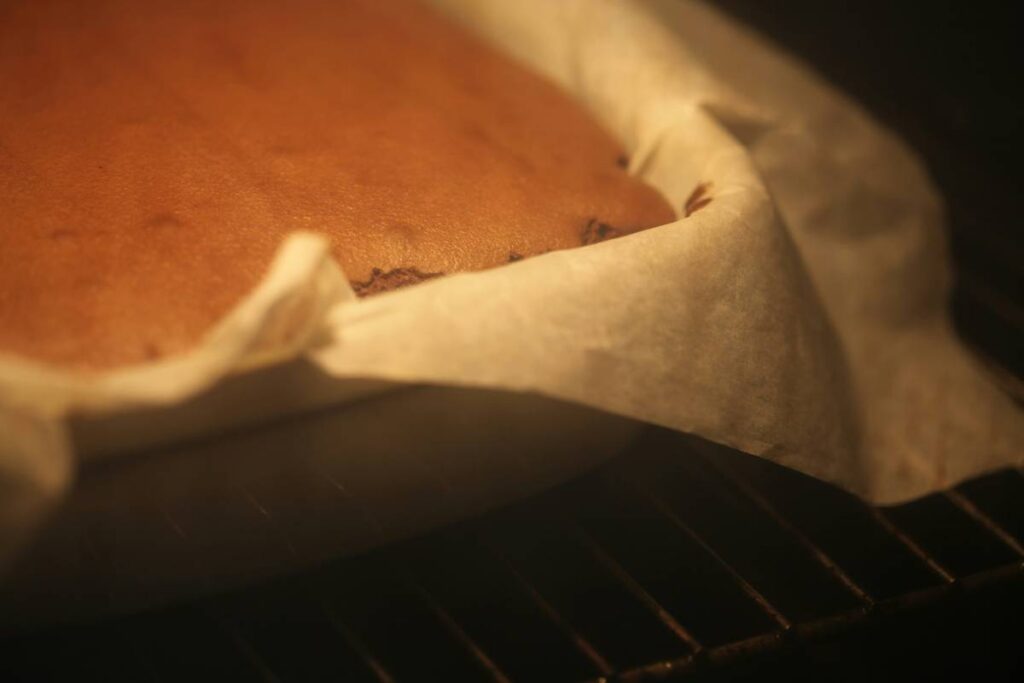
I learned this the hard way when I baked a birthday cake for my niece. I followed the recipe exactly—350°F for 30 minutes—but pulled out a sunken, gooey mess. Frustrated, I grabbed an oven thermometer (the $8 kind from the hardware store) and discovered my oven was running at 310°F. That 40-degree gap explained everything.
This isn’t just about baking fails. Inconsistent temperatures can affect energy efficiency, increase utility bills, and even shorten your appliance’s lifespan. Understanding how to measure for an oven correctly empowers you to take control of your cooking environment—with simple, affordable tools.
Step-by-Step Guide to Testing Oven Temperature
Don’t trust the dial. Verify it. Here’s how:
1. Choose the Right Thermometer
Opt for a high-quality analog or digital oven thermometer designed for continuous use. Avoid instant-read probe thermometers—they’re for food, not ambient air. Look for models rated up to 600°F with clear, easy-to-read markings.
2. Position It Correctly
Place the thermometer on the center rack, right in the middle of the oven cavity. Avoid putting it near the door, walls, or heating elements—these spots create hot or cold zones that skew readings.
3. Preheat and Wait
Set your oven to 350°F (a common baking temp). Once it signals it’s preheated, wait another 10–15 minutes. Ovens cycle on and off, so you need a stabilized average, not a momentary spike.
4. Record the True Temperature
Note what the thermometer reads after 15 minutes. Repeat this test at 300°F and 400°F to build a full profile. If your oven consistently runs 25°F low, you now know to set it 25° higher than recipes suggest.
Best Practices for Accurate Readings
- Avoid opening the door during testing—it drops the temperature by 25–50°F instantly (per USDA Food Safety guidelines).
- Test monthly if you bake often; thermostats drift over time.
- Never rely on “calibration” myths like turning the dial past the desired temp—that’s a terrible tip that damages your knob mechanism without fixing accuracy.
- For digital ovens, check your manual: many brands (like GE or Whirlpool) allow user calibration via hidden menu sequences.
One of my pet peeves in the tools & hardware world? Cheap oven thermometers sold in bulk that lose calibration after one use. Spend $10–$15 on a reputable brand like ThermoWorks or CDN—they last years and pay for themselves in saved meals.
Real-World Results: Case Studies
In a 2022 study by Cook’s Illustrated, testers examined 30 home ovens and found that only 7 maintained temperatures within ±10°F of the target. The rest varied wildly—some peaked 70°F above the set point during cycling. One participant who’d struggled with bread for years finally achieved perfect crusts after discovering her oven ran 45°F too hot. She simply adjusted all temps downward and saw immediate improvement.
Similarly, after learning how to measure for an oven properly, our team at SecureServerDot redesigned our recipe testing protocol. We now validate every oven temp before publishing cooking guides—because trust starts with truth, not guesswork.
Frequently Asked Questions
Can I use a meat thermometer to check oven temperature?
No. Meat thermometers measure internal food temp, not ambient air. They’re not rated for prolonged oven exposure and may melt or give false readings.
How often should I replace my oven thermometer?
Every 1–2 years, or immediately if it shows inconsistent results during repeated tests. Quality models often come with warranties—check ThermoWorks’ official site for durability specs.
Does oven rack position affect accuracy?
Absolutely. The top rack runs hotter; the bottom, cooler. Always test in the center unless a recipe specifies otherwise.
What if my oven can’t be calibrated?
Keep a log of your oven’s offset (e.g., “+25°F”) and mentally adjust every recipe. It’s low-tech but effective. Need help troubleshooting? Contact us—we’ve got your back.
Is “how to measure for an oven” different for convection models?
Slightly. Convection ovens circulate air, which can reduce actual temp by 25°F vs. conventional. Still, always verify with a thermometer—don’t assume the fan fixes everything.
Do I need to worry about privacy when buying thermometers online?
Reputable retailers follow data standards. For peace of mind, review our Privacy Policy to understand how we protect your information.
So remember: your oven lies. Your thermometer tells the truth. Master how to measure for an oven, and you’ll never serve underdone chicken—or overbaked brownies—again. Ready to take control of your kitchen? Reach out to us with your oven quirks—we love solving real home improvement puzzles.