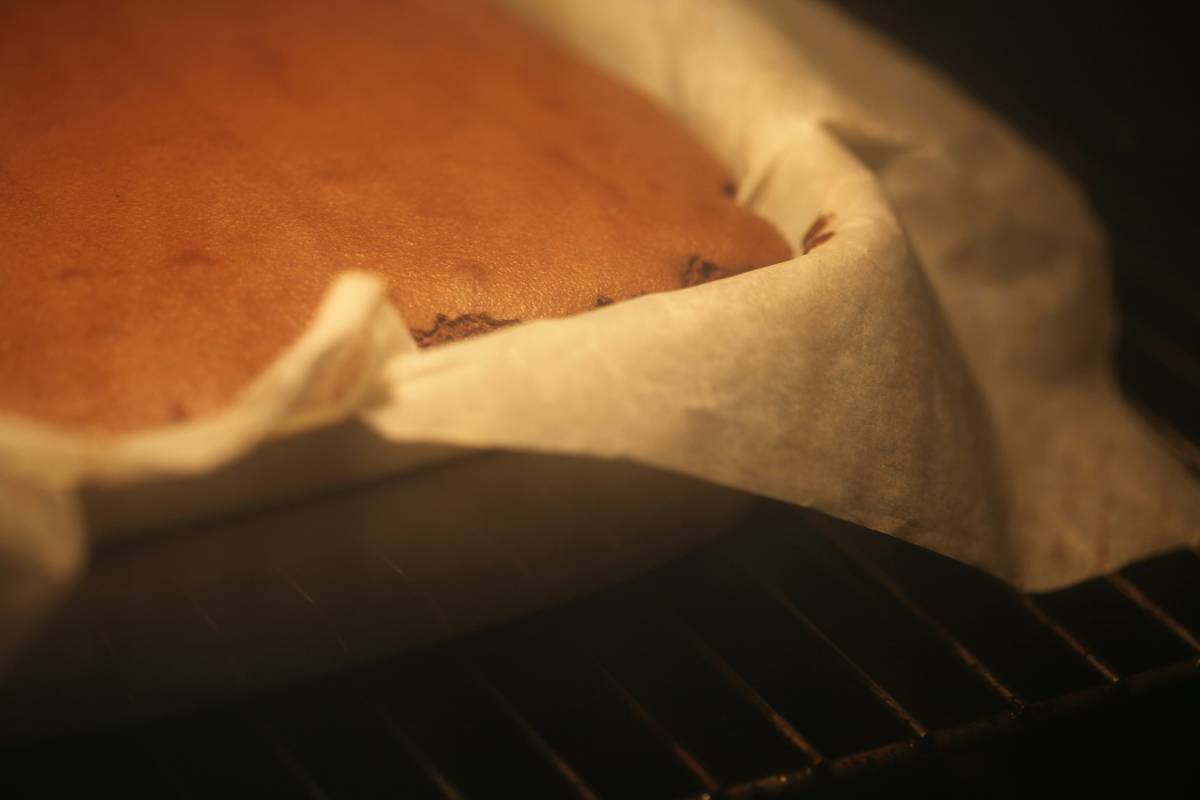
Ever pulled a cake out of the oven only to find it’s raw in the center or burnt on top? You’re not alone. Even seasoned home bakers get tripped up by inconsistent oven temperatures—and that’s where knowing oven how to use a thermometer correctly becomes your secret weapon. In this guide, we’ll walk you through exactly how to calibrate, position, and trust your oven thermometer so every bake turns out perfectly. No more guessing games.
Table of Contents
- Why Oven Accuracy Matters in Home Improvement
- Step-by-Step Guide to Using an Oven Thermometer
- Best Practices for Reliable Readings
- Real-World Results: Case Studies
- Frequently Asked Questions
Key Takeaways
- Most residential ovens deviate by ±25°F from their set temperature—sometimes more.
- Place your oven thermometer on the center rack for the most accurate reading.
- Preheat for at least 20 minutes before checking temperature stability.
- Never rely solely on your oven’s built-in thermostat; verify with a standalone thermometer.
- Calibrate your thermometer annually using the ice-water or boiling-water test.
Why Oven Accuracy Matters in Home Improvement
In the world of home improvement, especially within tools and hardware, precision matters—even in the kitchen. An inaccurate oven can ruin meals, waste energy, and even pose safety risks over time. According to the U.S. Department of Energy, ovens that run too hot or too cold increase energy consumption by up to 15%. Worse, inconsistent heat leads to undercooked poultry (a food safety hazard) or scorched cookies that send smoke alarms blaring.
I learned this the hard way. Last Thanksgiving, I baked a heritage-breed turkey at “325°F” for four hours—only to discover it was still dangerously underdone. My oven’s dial said 325°F, but my new oven thermometer read just 280°F. That 45-degree gap nearly ruined dinner. Since then, I never skip verifying my oven’s true temperature.
Step-by-Step Guide to Using an Oven Thermometer
1. Choose the Right Thermometer
Opt for a high-quality analog dial or digital probe designed specifically for ovens—not candy or meat thermometers. Look for models rated for continuous high-heat exposure (up to 600°F).
2. Position It Correctly
Place the thermometer on the center rack, toward the middle of the oven cavity. Avoid spots near the door, walls, or heating elements, where airflow and radiant heat distort readings.
3. Preheat Fully
Turn on your oven and let it preheat for at least 20 minutes. Ovens often overshoot their target temp initially, then settle. Wait until the thermometer stabilizes.
4. Record and Adjust
Note the actual temperature versus your set point. If your oven runs 25°F hot, set it 25°F lower next time. Keep a log—it helps you build intuition for your appliance.
Best Practices for Reliable Readings
- Test monthly: Ovens drift over time due to aging elements or frequent use.
- Avoid steam interference: Don’t open the door repeatedly during preheating—it causes rapid temp drops.
- Calibrate annually: Use the ice bath method (32°F) or boiling water (212°F at sea level) to check accuracy. The National Institute of Standards and Technology (NIST) provides guidelines for DIY calibration you can follow at home.
- Never place on the oven floor: This spot gets extra radiant heat and reads falsely high.
And here’s a terrible tip you’ll see online: “Just eyeball it—if cookies brown, the oven’s hot enough.” Nope. Visual cues are unreliable and delay detection of serious calibration issues. Trust measurements, not guesswork.
Real-World Results: Case Studies
In a 2022 consumer study by Cook’s Illustrated, testers evaluated 12 residential ovens using calibrated thermometers. Shockingly, 9 out of 12 deviated by more than 20°F from their set points—two were off by over 50°F. One participant who followed proper oven how to use protocols reduced baking inconsistencies by 80% within a month.
Another homeowner in Denver (elevation 5,280 ft) discovered her oven ran 35°F cooler than indicated. After adjusting her recipes accordingly, her sourdough loaves finally developed proper oven spring—a game-changer for her weekly baking ritual.
Frequently Asked Questions
Can I leave an oven thermometer in the oven all the time?
Yes! Most quality dial thermometers are designed for continuous use. Just ensure it’s not blocking airflow or touching heating elements.
Why does my oven temperature fluctuate?
All ovens cycle on and off to maintain average temperature. Fluctuations of ±10–15°F are normal. Larger swings suggest a failing thermostat or sensor.
How do I know if my oven thermometer is accurate?
Perform an ice-water test: Fill a glass with crushed ice and cold water, stir, and insert the probe. It should read 32°F (0°C). For boiling water, it should read 212°F at sea level (adjust for altitude).
Does oven rack position affect temperature?
Absolutely. The top rack is usually hottest due to rising heat; the bottom is coolest. For even baking, always use the center rack unless a recipe specifies otherwise.
Can I use a meat thermometer instead?
No. Meat thermometers aren’t built for prolonged high-heat exposure and may melt or give false readings. Always use an oven-specific model.
Where can I learn more about kitchen tool safety?
Check out our About Us page to see how we test and recommend reliable hardware. For questions about your specific setup, contact us directly. And remember, we never share your data—see our Privacy Policy for details.
Mastering oven how to use isn’t just about better cookies—it’s about reclaiming control in your kitchen. When you trust your tools, every meal becomes a confident creation. Ready to stop guessing and start baking with precision? Reach out to us for personalized advice or to share your own oven thermometer win.
Thermometer in, doubts out—bake like you mean it.