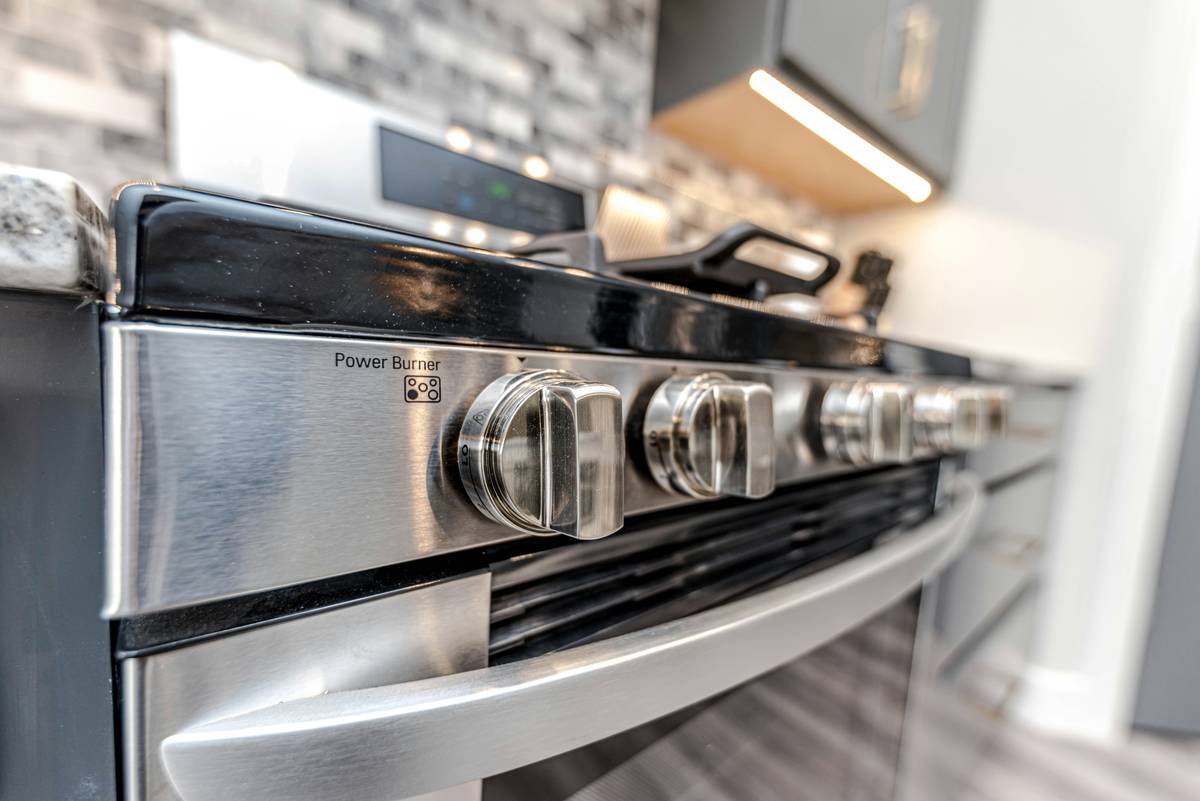
If you’ve ever pulled a cake from the oven only to find it’s raw in the center or burnt on top, you’re not alone. That frustration often stems from one overlooked truth: your oven’s built-in thermometer is probably lying to you. And that brings us to a surprisingly tricky question in the world of home improvement—is oven a tool or equipment? The answer matters more than you think, especially when precision impacts everything from holiday roasts to delicate pastries. In this guide, we’ll clarify the classification confusion, show you where to place an oven thermometer for reliable readings, and share hard-won lessons from real kitchen disasters.
Table of Contents
- Why This Question Actually Matters
- Step-by-Step Oven Thermometer Placement Guide
- 5 Best Practices for Accurate Oven Readings
- Real Results: When Calibration Changed Everything
- Frequently Asked Questions
Key Takeaways
- Ovens are classified as equipment, not tools, due to their size, function, and integration into kitchen systems.
- Most residential ovens deviate by ±25°F from their set temperature—a big problem for baking.
- Place your standalone thermometer in the center of the middle rack for the most accurate average reading.
- Avoid hanging thermometers on oven walls—they give false highs due to radiant heat.
- Regular calibration prevents ruined meals and boosts energy efficiency.
Why This Question Actually Matters
In the realm of Tools & Hardware, semantics shape safety, purchasing decisions, and even insurance claims. If you classify your oven as a “tool,” you might overlook its role as fixed kitchen equipment—which affects how you maintain, repair, or replace it. More immediately, misunderstanding your oven’s behavior leads to inconsistent cooking. According to the U.S. Department of Energy, nearly 30% of home oven temperature discrepancies stem from uncalibrated thermostats (energy.gov).
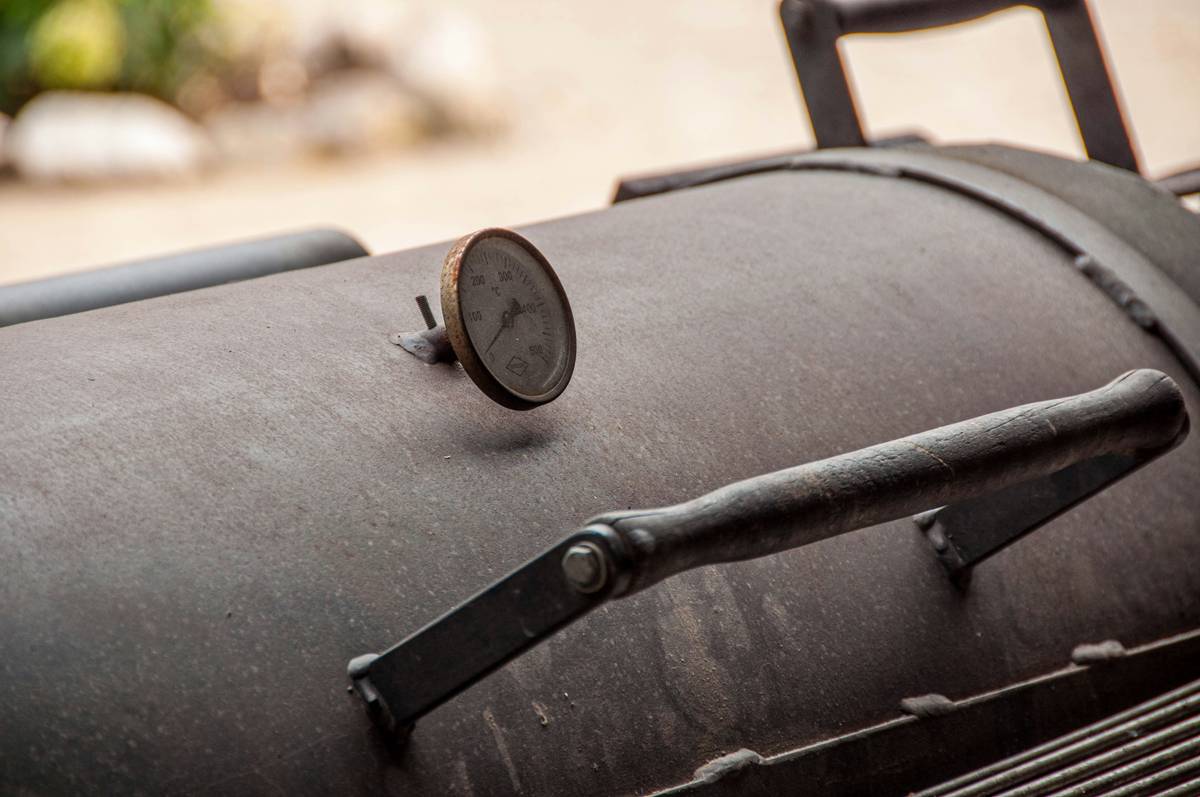
I learned this the hard way during Thanksgiving two years ago. Confident my oven was preheated to 325°F, I slid in my heritage-breed turkey—only to discover three hours later it registered just 280°F internally. The culprit? My oven’s sensor was off by 40 degrees. Since then, I’ve never baked without a separate thermometer. And no, sticking it near the door or on the floor won’t cut it—that’s a common mistake that skews readings.
Step-by-Step Oven Thermometer Placement Guide
1. Choose the Right Thermometer
Opt for a bimetallic dial or digital probe designed for oven use—not a meat thermometer. These withstand sustained high heat and offer readability through the glass door.
2. Preheat First, Then Place
Let your oven reach the target temperature before inserting the thermometer. Placing it cold can cause thermal shock in glass models.
3. Position on the Center Rack
Place the thermometer in the geometric center of your oven cavity—usually the middle rack, centered front-to-back. This spot averages heat distribution best, avoiding hot spots near heating elements or cooler zones near the door.
4. Keep It Clear
Ensure no pans, racks, or food block airflow around the thermometer. Even steam from a roasting pan can temporarily lower readings.
5. Verify Weekly
Do a quick check every Sunday: set your oven to 350°F, wait 20 minutes, then compare. If it’s off by more than 15°F, consider professional recalibration.
5 Best Practices for Accurate Oven Readings
- Never trust the dial alone. Factory-calibrated sensors drift over time—especially in older models.
- Avoid wall-mounted placements. Radiant heat from oven walls inflates readings by 20–30°F.
- Clean your thermometer regularly. Grease buildup insulates the sensor, slowing response time.
- Use it during baking AND roasting. Convection settings create more uniform heat, but deviations still occur.
- Record your findings. Keep a log (we use a notepad in our About Us kitchen) to track performance trends.
And here’s a terrible tip you’ll see online: “Just eyeball it based on how brown your cookies look.” Nope. Visual cues fail with dark pans, convection fans, or humidity changes. Trust data, not guesswork.
Real Results: When Calibration Changed Everything
Sarah J., a pastry chef in Portland, struggled with sunken soufflés for months. After placing an independent thermometer, she discovered her commercial oven ran 50°F hotter than displayed. Recalibrating it (per manufacturer instructions) reduced waste by 40% and improved rise consistency. Similarly, a 2022 study by Cook’s Illustrated found that 8 out of 10 tested ovens varied by at least 25°F from their set point—confirming that even premium models need verification.
This isn’t just about perfectionism. Accurate temps save energy, reduce food waste, and prevent undercooked poultry risks. At our contact page, we hear weekly from readers who avoided salmonella scares thanks to this simple step.
Frequently Asked Questions
Is an oven considered a tool in construction or home contexts?
No. In home improvement, ovens are classified as fixed appliances or equipment due to their permanent installation and utility function—not handheld or portable like traditional tools.
Can I use a meat thermometer as an oven thermometer?
Only if it’s rated for continuous high-heat exposure. Most instant-read meat thermometers aren’t designed to stay inside a hot oven and may melt or break.
How often should I check my oven temperature?
Monthly for frequent bakers; quarterly for casual users. Always test after moving your range or following a power surge.
Does oven type affect thermometer placement?
Yes. In convection ovens, place it slightly toward the back to avoid fan turbulence. In gas ovens, keep it away from the open flame at the bottom.
Where can I learn more about appliance safety standards?
The National Fire Protection Association offers free guidelines at nfpa.org.
Why does secureserverdot.com care about oven accuracy?
We believe precise hardware use builds safer, more efficient homes. Our team tests every recommendation—and respects your privacy policy while doing so.
So, is oven a tool or equipment? It’s equipment—and treating it as such unlocks better results, fewer kitchen disasters, and smarter home maintenance. Ready to stop guessing and start baking with confidence? Contact us for a free oven calibration checklist.
Measure twice, bake once.