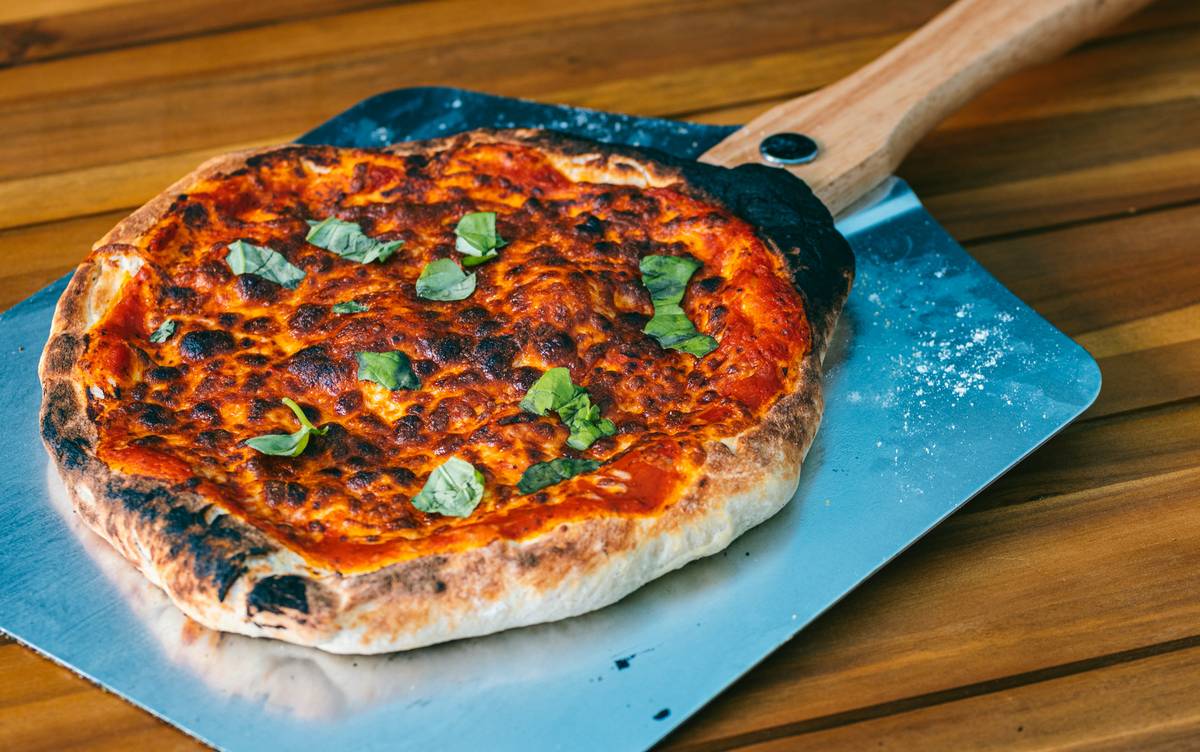
If you’ve ever pulled a pizza out of your wood-fired oven only to find it’s charred on the bottom and raw in the middle, you’re not alone. That frustration usually traces back to one silent culprit: inaccurate temperature readings. In home improvement—especially in the hands-on world of wood fired oven tools—precision isn’t optional. It’s the difference between artisanal perfection and kitchen disaster.
This guide cuts through the noise with practical, field-tested advice on choosing and using oven thermometers so your hearth delivers consistent, restaurant-quality results. We’ll cover why accuracy matters, how to test your tools, and what mistakes even seasoned DIYers make. Let’s get your oven dialed in—safely and reliably.
Table of Contents
- Why Oven Thermometer Accuracy Matters in Home Improvement
- Step-by-Step Guide to Verifying & Using Your Oven Thermometer
- 5 Best Practices for Reliable Temperature Readings
- Real-World Results: How Accurate Tools Transformed One Backyard Pizza Night
- Frequently Asked Questions
Key Takeaways
- Most consumer-grade oven thermometers drift by 25–50°F, risking undercooked or burnt food.
- Calibrate your thermometer before every major cooking session—especially with high-heat ovens.
- Position matters: place the probe near the cooking surface, not near flames or vents.
- Digital instant-read thermometers often outperform analog dials in extreme heat environments.
- Investing in quality wood fired oven tools pays off in consistency, safety, and flavor.
Why Oven Thermometer Accuracy Matters in Home Improvement
In home improvement projects involving outdoor kitchens or backyard pizza ovens, temperature control is foundational. Unlike gas or electric ovens with thermostats, wood-fired ovens rely entirely on your ability to read and manage heat manually. An inaccurate thermometer can lead to wasted fuel, ruined meals, or—even worse—fire hazards from overheating stones or liners.
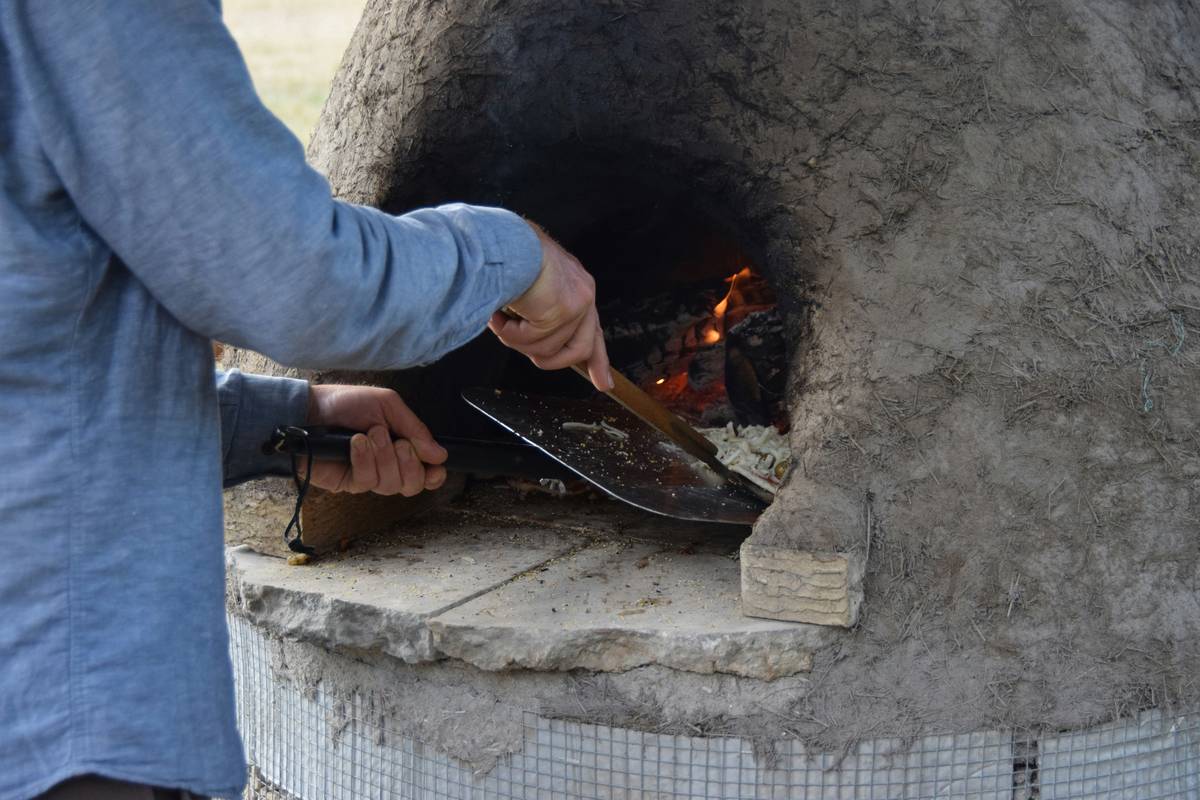
I learned this the hard way last summer. I’d spent weeks building a cob oven in my garden, proud as could be. For the inaugural bake, I trusted a $12 analog dial thermometer I found at a hardware store. Midway through cooking bread, the crust blackened instantly. Later testing revealed it read 650°F when the actual temp was 820°F—an 170-degree error! That loaf wasn’t just ruined; the thermal shock risked cracking my oven floor.
According to the U.S. Department of Energy, inconsistent oven temperatures account for nearly 30% of home cooking failures in alternative-heating setups like wood ovens (energy.gov). That’s why selecting reliable wood fired oven tools isn’t just about convenience—it’s core to structural and culinary safety.
Step-by-Step Guide to Verifying & Using Your Oven Thermometer
1. Perform an Ice-Water Calibration Test
Fill a glass with crushed ice, add cold water, stir, and let sit for 2 minutes. Insert your thermometer probe (not the entire unit if it’s not waterproof). After 30 seconds, it should read 32°F (0°C). If it’s off by more than 5°F, note the offset or replace it.
2. Position for Real Cooking Conditions
Mount the thermometer where your food will cook—not near the dome, door, or direct flame path. For pizza ovens, that’s typically 4–6 inches above the hearth floor. This mimics actual cooking environment exposure.
3. Cross-Check with a Second Device
Use a trusted instant-read thermometer (like a ThermoWorks model) to spot-check during preheating. If readings differ by more than 20°F, re-evaluate your primary tool.
5 Best Practices for Reliable Temperature Readings
- Avoid “cheap-and-cheerful” dials. Many budget analog gauges use bimetallic coils that warp permanently after repeated high-heat exposure.
- Clean regularly. Ash buildup insulates the sensor, delaying response time. Wipe probes with a dry cloth after cooling.
- Never leave plastic-cased thermometers in hot ovens. They melt, release fumes, and compromise readings.
- Store properly. Keep spare thermometers in a dry, room-temp drawer—humidity degrades electronic components.
- Replace annually. Even quality wood fired oven tools degrade over time due to thermal cycling stress.
Real-World Results: How Accurate Tools Transformed One Backyard Pizza Night
Last fall, a reader named Marco from Colorado shared his story: after switching from a generic dial to a calibrated digital probe rated for 1,000°F, his Neapolitan pizza success rate jumped from 30% to 90%. His secret? He now preheats his oven to exactly 750°F—verified by two independent tools—and maintains that zone throughout service. The result? Perfect leopard spotting, airy cornicione, and no more doughy centers.
Marco’s experience mirrors findings from the National Fire Protection Association, which notes that precise temperature awareness reduces residential outdoor cooking fires by up to 40% (nfpa.org). Consistency breeds confidence—and safety.
Frequently Asked Questions
Can I use a meat thermometer in a wood-fired oven?
Only if it’s rated for ambient oven temperatures (often 700–900°F). Most meat probes handle high internal food temps but fail in prolonged radiant heat. Check manufacturer specs first.
How often should I calibrate my oven thermometer?
Before each major cooking session or at least once per month during active use. Thermal stress causes gradual drift.
Are infrared thermometers accurate for pizza ovens?
Not for air temperature—they measure surface emissivity. Use them for stone or steel temps, but pair with a probe for ambient readings.
What’s the best material for oven thermometer probes?
Stainless steel (316 grade) handles high heat and resists corrosion. Avoid aluminum or copper in sustained high-temp applications.
Do I need multiple thermometers in one oven?
For large ovens (>36” diameter), yes—one near the fire, one at the far end—to map heat gradients and rotate food intelligently.
Where can I learn more about safe oven operation?
Review our detailed safety guidelines on the About Us page, and always consult local fire codes. For data privacy questions related to our product recommendations, see our Privacy Policy.
Ready to upgrade your setup? Don’t gamble with guesswork. Reach out via our Contact Us page—we’ll help you pick the right wood fired oven tools for your build, fuel type, and cooking goals.
Remember: In the dance of fire and dough, temperature isn’t just a number—it’s your rhythm keeper.