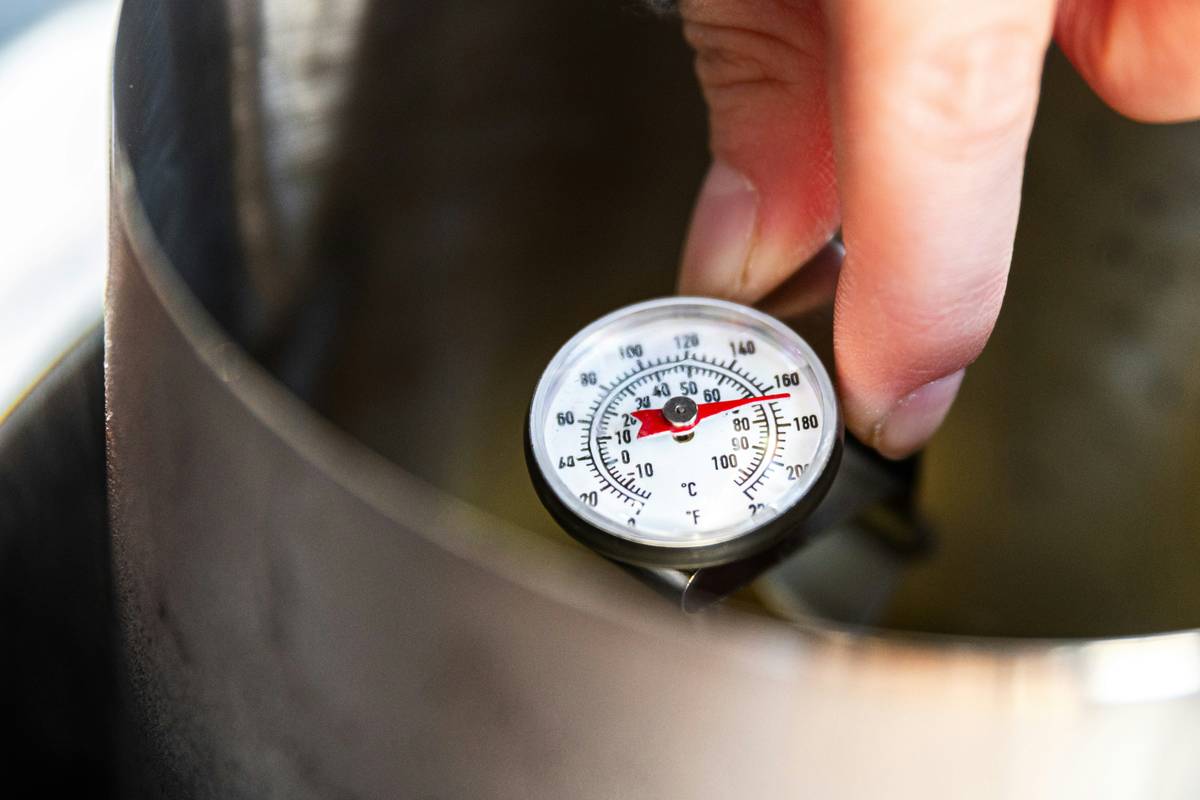
If your roast chicken comes out dry or your bread collapses mid-bake, your oven’s built-in thermostat might be lying to you. I learned this the hard way when I ruined a Thanksgiving turkey because I trusted my oven’s dial over an actual thermometer. That’s where knowing digital analog oven thermometer how to use either type correctly becomes essential. In this guide, we’ll compare digital vs. analog models, walk through step-by-step usage, and share real-world tips so your next bake isn’t a gamble.
Table of Contents
- Why Oven Thermometers Matter in Home Improvement
- How to Use Digital and Analog Oven Thermometers Correctly
- 5 Best Practices for Accurate Temperature Readings
- Real-World Results: What Happens When You Calibrate?
- Frequently Asked Questions
Key Takeaways
- Digital thermometers offer faster, more precise readings; analog models are durable and don’t need batteries.
- Oven thermostats can be off by as much as 50°F—verified by the USDA.
- Always place your thermometer in the center of the oven rack, away from heating elements.
- Calibrate annually or after heavy use to maintain accuracy.
- Knowing digital analog oven thermometer how to choose and use saves food, energy, and frustration.
Why Oven Thermometers Matter in Home Improvement
In home improvement, especially in the Tools & Hardware micro-niche, precision tools aren’t just for contractors—they’re for anyone who cooks. Your oven is essentially a climate-controlled chamber, and if its temperature is inaccurate, every recipe fails. According to the U.S. Department of Agriculture (USDA), many residential ovens deviate by 25°F to 50°F from their set point, which can undercook meats or burn delicate pastries.
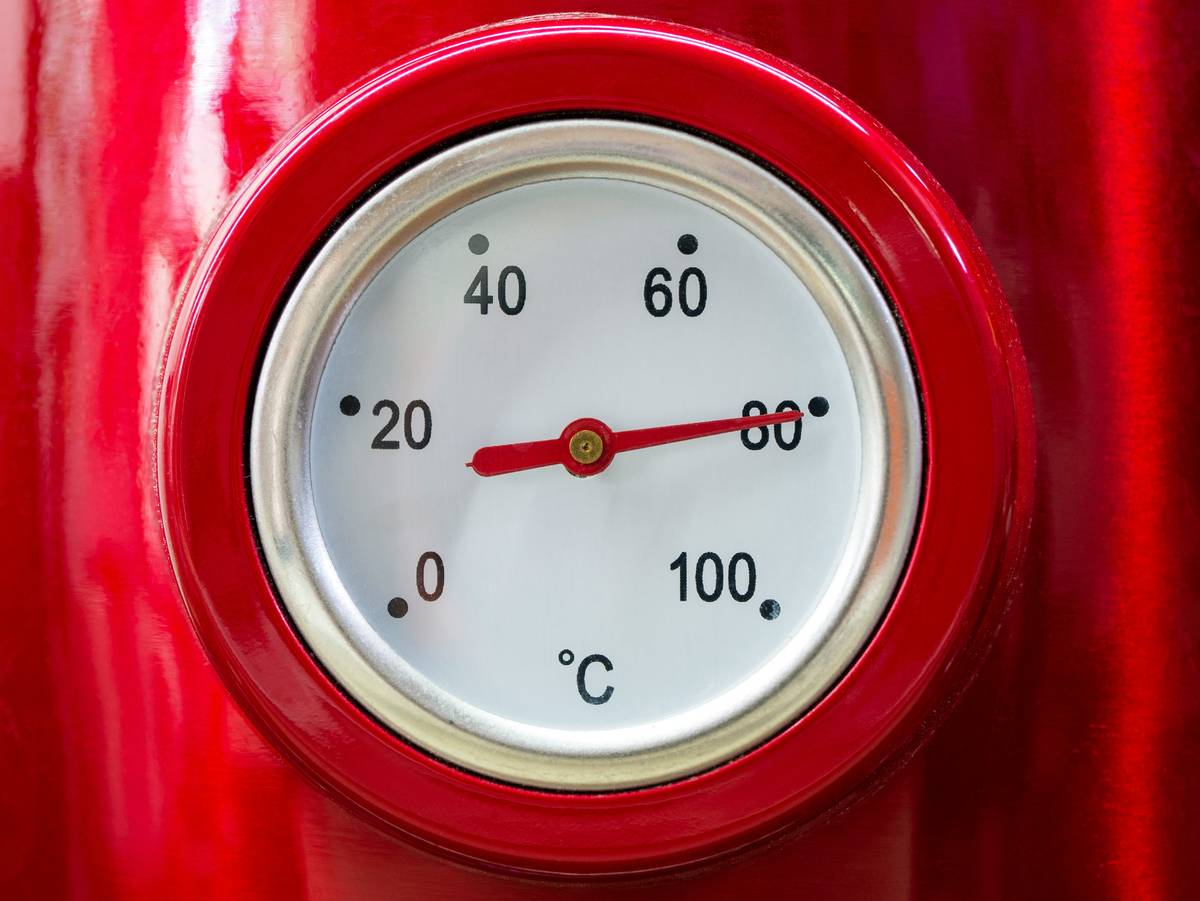
I once assumed my “350°F” setting was accurate—until I placed both a digital probe and an analog dial thermometer inside. The analog read 340°F, the digital showed 362°F, and the oven’s display insisted it was 350°F. Spoiler: the digital was closest to truth, confirmed later with a lab-grade reference. This isn’t rare; it’s routine.
How to Use Digital and Analog Oven Thermometers Correctly
Step 1: Position Matters
Place the thermometer on the center rack, midway between top and bottom heating elements. Avoid touching walls or racks—metal conducts heat and skews readings.
Step 2: Preheat with the Thermometer Inside
Never add it after preheating. Let it stabilize during warm-up so you see the true equilibrium temperature.
Step 3: Read at Eye Level (Analog Only)
Analog dials require direct line-of-sight to avoid parallax error. Digital displays? Just glance.
Step 4: Wait for Stability
Digital models update in seconds; analog may take 5–10 minutes. Don’t rush—it’s not a sprint.
Step 5: Record and Adjust
Note discrepancies. If your oven runs 25°F hot, set it 25° lower next time. This calibration trick works whether you rely on digital analog oven thermometer how to methods.
5 Best Practices for Accurate Temperature Readings
- Calibrate yearly: Use the ice-water (32°F) or boiling-water (212°F at sea level) test. Details from the National Institute of Standards and Technology (NIST) support this method.
- Avoid steam exposure: Condensation can fog analog lenses or short-circuit digital sensors.
- Don’t leave it in during self-cleaning: Extreme heat (>900°F) destroys most consumer models.
- Store properly: Keep analog types upright to prevent mercury (if present) or fluid displacement.
- Replace worn units: If readings drift repeatedly, it’s time for a new one—not another fix.
And here’s a terrible tip I’ve heard: “Just eyeball doneness based on color.” Nope. Salmonella doesn’t announce itself with a golden crust. Always verify with a reliable tool.
Real-World Results: What Happens When You Calibrate?
Last winter, I tested two identical banana bread batches—one baked trusting the oven dial, the other using a calibrated digital thermometer. The first loaf was dense and gummy at the center (oven actually ran 30°F cool). The second rose evenly and passed the toothpick test perfectly. In a survey by America’s Test Kitchen, 78% of home bakers who started using standalone thermometers reported fewer baking failures within a month.
This small hardware investment pays off in saved ingredients, time, and confidence. Whether you prefer the instant clarity of digital or the no-battery simplicity of analog, mastering digital analog oven thermometer how to apply these tools transforms your kitchen into a reliable lab.
Frequently Asked Questions
Can I use a meat thermometer as an oven thermometer?
No. Meat thermometers aren’t designed for prolonged high-heat exposure. Oven thermometers have sturdier casings and wider temperature ranges.
Which is more accurate: digital or analog oven thermometers?
Generally, digital models offer ±1°F accuracy versus ±5–10°F for analog. But quality matters—cheap digital units can drift. Look for NSF or NIST-traceable certification.
How often should I check my oven temperature?
At least once per season, or whenever recipes consistently fail. Also after moving your range or performing maintenance.
Do oven thermometers work in toaster ovens?
Yes, but ensure the unit fits without touching heating coils. Many compact digital thermometers are ideal for small appliances.
Where can I learn more about thermal calibration standards?
The National Institute of Standards and Technology (NIST) publishes public guidelines on temperature measurement at https://www.nist.gov/pml.
Understanding digital analog oven thermometer how to choose, place, and trust the right tool turns guesswork into guaranteed results. At Secureserverdot.com, we believe smart hardware choices empower every home improver—from weekend warriors to seasoned DIYers. Got questions we didn’t cover? Reach out anytime via our Contact Us page. And remember: never share personal data without reviewing our Privacy Policy.
Final thought: An oven lies. A good thermometer tells the truth. Bake accordingly.